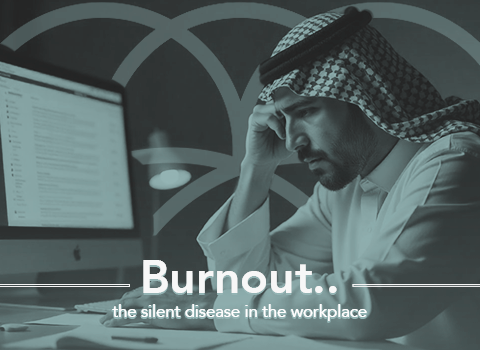
Burnout is a serious issue faced by many employees today, as they endure physical and mental exhaustion due to ongoing work pressures, this leads to lower productivity and performance, which in turn causes higher rates of resignation and employee turnover, affecting the stability of companies.
Studies have shown that burnout levels around the world have reached concerning levels in recent years. According to a 2021 survey conducted by Indeed, 52% of employees reported experiencing burnout. In this article, we will examine what burnout is and some effective ways to combat it.

What is burnout?
Burnout is a state of physical and mental exhaustion caused by continuous exposure to stress in the workplace, it leads to energy depletion, lack of motivation, and heightened feelings of frustration, all of which hinder personal performance and reduce productivity.
While it may appear to be a work-related issue, burnout can spill over into other areas of life as well, the World Health Organization (WHO) has classified it as a disease due to its significant effects on both health and mental well-being.
Signs of Burnout:
Many employees suffer from stress in the workplace due to external pressures, but burnout is a stronger feeling of frustration that results from the accumulation of these pressures without proper coping, the symptoms of burnout are varied and may appear gradually, making it difficult to recognize them initially.
Here are some signs that may indicate you could be experiencing exhaustion:
-
Physical exhaustion:
One of the first signs of burnout is physical exhaustion, this is not simply feeling tired; it can also lead to chronic headaches, muscle strain, and recurring physical issues, even after adequate rest. The body begins signaling the need for complete rest and a break from constant thinking, but these signs are frequently overlooked.
-
Emotional exhaustion:
One of the deepest negative effects of burnout is emotional exhaustion, the person may feel emotionally drained, unable to engage or communicate effectively with colleagues, this can be accompanied by cynicism, negativity, and irritability, as well as a sense of being unable to complete tasks, leading to lower productivity and increased conflict within the workplace.
-
Lower job satisfaction:
When a person experiences exhaustion, they may suffer from a dramatic decrease in job satisfaction, what once felt enjoyable or fulfilling may now seem tedious or meaningless, activities begin to feel repetitive, monotonous, and boring, signaling a state of mental and emotional exhaustion.
-
Decreased performance and productivity:
A decrease in performance and productivity is one of the key signs of exhaustion, individuals may struggle to meet deadlines, produce lower-quality work, or make frequent mistakes, this leads to feelings of frustration and dissatisfaction with their personal performance. These signs indicate that the person needs to step back and evaluate both their professional and mental health.
-
Cognitive impairments:
burnout can severely affect cognitive capabilities, those suffering from burnout experience difficulties in focusing, making decisions, and completing tasks effectively, they may also notice a drop in their creativity and problem-solving abilities.
-
Social withdrawal and isolation:
A person with burnout may feel disconnected from their job and colleagues, leading to social withdrawal, they may participate less in group activities or work-related events, which can result in feelings of isolation and harm both professional and personal relationships.
-
Escape mechanisms:
In an attempt to cope with the stress, some may turn to escape behaviors like overeating or drinking alcohol, these may act as temporary defense mechanisms against burnout, but in the long run, they only exacerbate the issue and harm physical and mental health.

Causes of Burnout:
Burnout can occur due to a variety of factors, below are some common reasons that contribute to it:
-
Heavy Workload:
When the workload is heavy and increasing without enough time to complete the required tasks, it can lead to burnout, in fast-paced work environments, tasks may accumulate unexpectedly, whether due to an increase in the number of projects or company expansion, causing individuals to face additional work. Sometimes, this burden can be constant, making the employee feel incapable of meeting expectations and deadlines. Eventually, this leads to ongoing stress, and if it continues for an extended period without resolution, it can turn into full-blown burnout.
-
Unclear or Unrealistic Expectations:
In work environments lacking clear goals or well-defined roles, employees may feel confused and lost when trying to understand what is expected of them, when job roles are undefined or expectations from different parties overlap, employees experience stress as they try to meet unclear or contradictory demands, this situation often leads to frustration and heightened psychological pressure.
-
Inadequate Support System:
A lack of support in the workplace is a primary cause of burnout, when employees find themselves in an environment where there is no encouragement from colleagues or managers, or if they struggle to communicate with their teams or feel isolated, their stress and fatigue levels rise, this lack of support contributes to feelings of being unappreciated and can intensify negative emotions, further fueling burnout.
When work takes over an individual’s life, prioritizing it over family, friends, and personal activities, it leads to severe exhaustion, working long hours without sufficient breaks causes continuous fatigue and loss of interest in things that once provided mental relief. This makes it difficult for individuals to return to work with energy and enthusiasm, increasing the likelihood of burnout.
Studies show that 83% of professionals confirm that job burnout negatively impacts their personal relationships.
-
Lack of Recognition:
Employees who are not recognized for their professional efforts may feel invisible or undervalued, which can lead to frustration and a lack of motivation, negatively impacting their work performance, the absence of both material and emotional recognition, such as rewards or career advancement opportunities, strengthens feelings of frustration and stagnation. Furthermore, the lack of a clear career progression path can leave employees feeling that their efforts are meaningless, raising the risk of burnout.
How Companies Can Combat Burnout?
A recent study by the American Psychological Association involving 1,501 workers found that 79% of them are currently experiencing burnout, this highlights the need for companies to prioritize employee well-being and adopt strategic measures to promote their health and alleviate burnout symptoms, by:
-
Creating a healthy work environment:
Companies should establish a work environment that promotes work-life balance by minimizing unnecessary stress and offering flexible working hours or remote work options. A work culture that encourages collaboration and respect also helps to reduce exhaustion caused by stress.
-
Training and professional development:
Companies that provide ongoing training and development opportunities help their employees improve their skills, which boosts their confidence and reduces feelings of frustration and exhaustion.
-
Recognition and incentives:
Companies should acknowledge employee efforts through reward mechanisms, whether financial or moral. Recognizing and appreciating employees’ contributions boosts morale and reduces feelings of frustration.
-
Innovation in work methods:
Encouraging employees to innovate and embrace change can reduce feelings of monotony and exhaustion, ultimately reducing the chances of burnout.
-
Rest and break culture:
providing regular breaks throughout the day allows employees to maintain their physical and mental well-being, which leads to higher productivity and overall employee happiness.
-
Mental health support:
By offering counseling services and psychological assistance, companies can help their employees cope with mental challenges, this includes organizing workshops on mental health and stress management.
Burnout is not just a feeling of tiredness or stress; it is a state of emotional and physical exhaustion that can affect every aspect of a person’s life, early detection of its symptoms is vital, as it enables individuals to take proactive measures to address it before it worsens. By prioritizing mental and physical well-being, individuals can regain their vitality and perform at their best, both professionally and personally.